
Aligning Horse and Rider: The Balance Point Way
Riding a horse is not just about the physical act of sitting in the saddle; it’s about creating a harmonious connection between horse and rider. This connection is often referred to as the "balance point," a concept that emphasizes the importance of alignment, posture, and mutual understanding. In this blog post, we will explore how to achieve this balance point, enhancing both the rider's experience and the horse's performance.
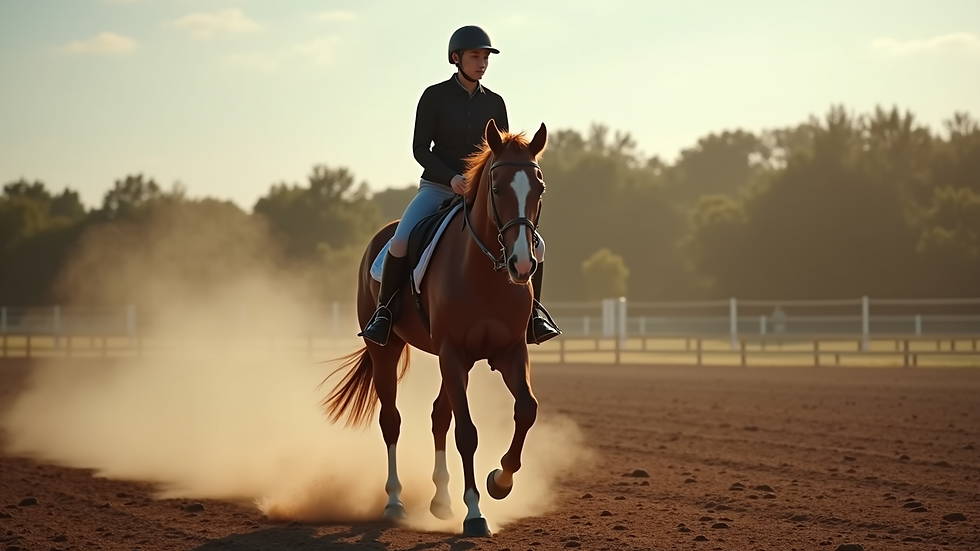
Understanding the Balance Point
The balance point is the sweet spot where both horse and rider feel comfortable and secure. It involves the following elements:
Posture: The rider's posture significantly affects the horse's movement. A balanced rider allows the horse to move freely and comfortably.
Alignment: Proper alignment between the rider's body and the horse's body is crucial. This includes the rider's shoulders, hips, and heels being in line.
Connection: A strong connection through the reins and legs helps communicate cues effectively.
The Importance of Posture
Good posture is foundational to achieving the balance point. Here are some tips for maintaining proper posture while riding:
Sit Up Straight: Keep your back straight and shoulders relaxed. This position allows for better balance and control.
Engage Your Core: A strong core supports your posture and helps you maintain stability in the saddle.
Relax Your Legs: Your legs should hang naturally, with your heels down. This position allows for better communication with the horse.
Aligning Your Body with the Horse
Alignment is not just about the rider; it also involves the horse. Here’s how to ensure both you and your horse are aligned:
Check Your Saddle Fit: An ill-fitting saddle can disrupt the horse's movement and your balance. Ensure that the saddle fits both you and your horse correctly.
Position Your Feet: Your feet should be positioned in the stirrups with your heels down. This position helps maintain your balance and provides a stable base.
Use Your Body: Shift your weight appropriately to guide the horse. Leaning forward or backward can throw off the horse's balance.
Building a Connection with Your Horse
A strong connection between horse and rider is essential for achieving the balance point. Here are some strategies to strengthen this bond:
Establishing Trust
Trust is the foundation of any successful partnership. Here’s how to build trust with your horse:
Spend Time Together: Spend time grooming and bonding with your horse outside of riding. This builds a relationship based on trust and respect.
Be Consistent: Use consistent cues and commands. Horses thrive on routine and predictability.
Listen to Your Horse: Pay attention to your horse's body language. Understanding their signals can help you respond appropriately.
Effective Communication
Clear communication is vital for a successful ride. Here are some tips for effective communication:
Use Your Seat: Your seat is a powerful tool for communicating with your horse. Shift your weight to signal changes in direction or speed.
Leg Aids: Use your legs to encourage movement. Squeezing your legs can signal the horse to move forward, while relaxing them can indicate a stop.
Rein Control: Use the reins gently to guide your horse. Avoid pulling too hard, as this can create tension.
Practicing Balance Point Techniques
Now that you understand the concepts of posture, alignment, and connection, it’s time to put them into practice. Here are some exercises to help you achieve the balance point:
Groundwork Exercises
Groundwork is an excellent way to establish a connection and improve alignment before getting in the saddle. Consider these exercises:
Lunging: This exercise allows the horse to move freely while you observe their movement. It helps you understand their balance and how to adjust your riding accordingly.
Join-Up: This technique involves encouraging the horse to come to you voluntarily. It builds trust and establishes a strong bond.
Riding Exercises
Once you’re comfortable with groundwork, try these riding exercises to enhance your balance point:
Two-Point Position: Practice riding in a two-point position to improve your balance. This position helps you develop a stronger core and better alignment.
Transitions: Work on transitions between gaits. This exercise helps you practice weight shifts and improves your communication with the horse.
The Role of Fitness in Achieving Balance
Both horse and rider need to be physically fit to achieve the balance point. Here’s how fitness plays a role:
Rider Fitness
A fit rider can maintain better posture and balance. Consider incorporating the following into your routine:
Core Strengthening: Exercises like planks and sit-ups can help build core strength, essential for maintaining balance in the saddle.
Flexibility Training: Stretching exercises improve flexibility, allowing for better movement and posture while riding.
Horse Fitness
A fit horse is more responsive and balanced. Here are ways to ensure your horse is fit:
Regular Exercise: Ensure your horse gets regular exercise to build strength and endurance.
Balanced Diet: A well-balanced diet supports your horse's overall health and fitness.
Common Challenges and Solutions
Achieving the balance point can come with its challenges. Here are some common issues and how to address them:
Uneven Weight Distribution
If you notice your horse leaning to one side, it may indicate uneven weight distribution. Here’s how to fix it:
Check Your Position: Ensure you are sitting evenly in the saddle. Adjust your position if necessary.
Practice Lateral Movements: Exercises like leg yields can help improve your horse's balance and responsiveness.
Tension in the Horse
If your horse seems tense or resistant, it may be a sign of discomfort or miscommunication. Consider these solutions:
Relax Your Aids: Ensure you are not holding tension in your body. Relax your hands and legs to encourage a more fluid movement.
Take Breaks: If your horse is showing signs of stress, take breaks during your ride to allow them to relax.
Conclusion
Achieving the balance point between horse and rider is a journey that requires patience, practice, and understanding. By focusing on posture, alignment, and connection, you can create a harmonious partnership that enhances both your riding experience and your horse's performance. Remember, the key to success lies in consistent practice and a willingness to learn. So saddle up, stay committed, and enjoy the ride!


Comments